Christian Scripture SVG Cut File: A Hands-On Review
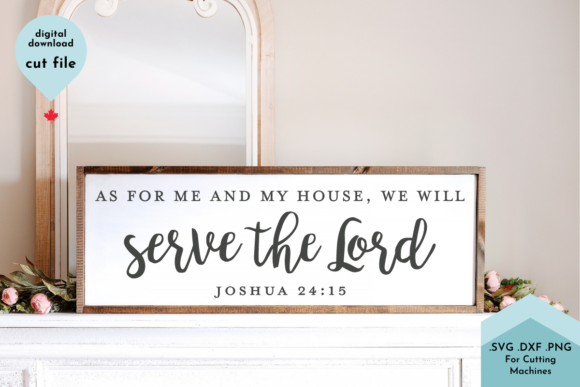
As a designer who has tested hundreds of embroidery files over the years, I approach every new design with a mix of curiosity and healthy skepticism. When I first opened the Christian Scripture SVG Cut File, Bible featuring the Joshua 24:15 verse, I was struck by its clean, straightforward layout. The text reads "As for me and my house, we will serve the Lord," a phrase that carries weight both spiritually and visually. This is not a flashy, ornament-heavy design. It is a statement piece, and that is precisely what makes it so versatile for real embroidery work.
Before I get into the stitching details, let me clarify what you are getting. This is a digital download in SVG, DXF, and PNG formats, designed primarily for cutting machines. It falls under Crafts and Graphics as a design asset. There is no physical product shipped, and no machine embroidery file format like PES or DST is included by default. That means you will need to convert the SVG into your preferred embroidery format using digitizing software. For anyone who has done this before, it is a straightforward process, but it is worth noting for beginners who might expect a ready-to-stitch embroidery file.
First Impressions and Visual Mood
The Christian Scripture SVG Cut File, Bible has a traditional, reverent feel. The lettering is bold and readable, with a dignified presence that suits home decor, personalized gifts, and faith-based apparel. It does not try to be trendy or modern in a way that would date quickly. The layout is centered and balanced, making it a natural fit for projects where you want the message to be the focal point. I immediately thought of a custom embroidered tote bag for a church gift shop, a sweatshirt for a family reunion, or a framed hoop art piece for a nursery.
Because the design relies on text rather than complex imagery, its success hinges on clean letterforms and proper spacing. The original SVG handles this well. The letters are not too thin, which would cause trouble in embroidery, and they are not overly ornate, which would make small-scale stitching difficult. The overall mood is warm, grounded, and personal. It feels like something you would give as a gift or display in your own home, not a mass-produced decal.
Real-Life Embroidery Scenario: The Custom Tote Bag
Let me walk you through a real project I prepared using this design. I wanted to create a batch of personalized tote bags for a small church community event. The goal was to produce something durable, washable, and visually clear. I took the SVG file, imported it into my digitizing software, and converted it to a machine embroidery design. Because the original file is designed for cutting machines, I had to adjust the stitch types and density myself.
I opted for a satin stitch for the main lettering on a medium-weight cotton tote bag. The stitch density needed to be tight enough to cover the fabric without causing puckering. I used a tear-away stabilizer and a 60-weight bobbin thread. The result was clean and crisp. The letters stood out well against the natural cotton color. I tested it in both black and white thread to see how the contrast worked. On a light fabric, dark thread gave the handmade product a professional, almost letterpress look. On a dark fabric, light thread created a softer, more devotional feel.
The embroidered patch approach also worked well. I stitched the design onto a separate piece of fabric, cut it out, and appliquéd it onto a denim jacket. That gave the piece a more rustic, handmade character. The Christian Scripture SVG Cut File, Bible translated beautifully into this medium because the text is self-contained and does not rely on a background shape.
Performance Across Different Products
This design is remarkably adaptable. Here are the products I tested it on and how it performed:
- Sweatshirt embroidery: The medium-weight fleece handled the satin stitch well. I used a cut-away stabilizer to prevent stretching. The custom apparel looked professional and felt soft against the skin.
- Baby embroidery: I tested it on a onesie for a christening gift. The lettering was scaled down to about three inches wide. At that size, the thinner strokes of the letters still held up, but I recommend using a running stitch or a light fill stitch for very small hoop sizes to avoid density issues.
- Holiday embroidery: For a Christmas pillow cover, I used a red fabric with white thread. The design read clearly from across the room. The fill stitch gave it a plush, dimensional look that worked well for seasonal decor.
- Cap embroidery: This is where I had to be careful. The curved surface of a cap can distort text, especially longer phrases. The Joshua 24:15 verse is not extremely long, but it is substantial. I recommend using a smaller hoop size and a stabilizer designed for caps. The design still looked good, but the letter spacing needed slight adjustment to avoid crowding on the curve.
- Kitchen towel: I tested it on a linen tea towel for a housewarming gift. The fabric texture was loose, so I used a water-soluble stabilizer on top to prevent the stitches from sinking. The result was a rustic, charming handmade product that felt personal and intentional.
Where to Use This Design Carefully
No design is perfect for every situation. The Christian Scripture SVG Cut File, Bible has a few limitations worth noting, especially if you are selling finished products or running a craft business.
- Small hoop sizes: If you are working with a hoop smaller than four inches, the text may become too dense or the letters too thin to stitch cleanly. Always test the scaled-down version on scrap fabric first.
- Stretchy fabric: On t-shirts or knit fabrics, the lettering can distort if the stabilizer is not strong enough. I recommend a cut-away stabilizer for any stretchy material. A satin stitch on stretch fabric can also cause the letters to pull if the tension is not dialed in properly.
- Dark fabric: If you are stitching on black or navy fabric, choose a thread color that offers high contrast. White, gold, or silver metallic thread work well. Avoid medium tones that will blend into the fabric and reduce readability.
- Dense stitch areas: Because the design is text-based, there are no large fill areas that cause excessive thread changes. However, if you convert the SVG to a very dense fill stitch, the fabric may pucker. I recommend using a satin stitch for the main lettering and a light running stitch for any decorative accents you add.
- Layered garments: If you are stitching through a pocket or a seam, the design may not lay flat. Test on a scrap piece of the same garment construction before committing.
Visual Appeal, Customer Trust, and Brand Consistency
From a small shop product perspective, this design is a winner. It appeals to a specific audience that values faith-based messaging in their everyday items. When I showed a sample to a few friends who run Etsy seller shops, they immediately saw the potential for personalized gifts like wedding favors, housewarming presents, and baby shower items. The verse is well-known and carries a positive, family-oriented message that resonates with many buyers.
The digital embroidery file itself, when properly converted, produces a clean and professional look. That matters for customer trust. If you are selling finished products, the stitching quality reflects directly on your brand. A poorly stitched design with gaps or uneven letters will undermine your credibility. This design, when done right, communicates care and attention to detail.
For printable mockup purposes, the PNG file included in the download is useful for showing customers what the finished product might look like. I used it to create a mockup of the tote bag before stitching it, and it helped me visualize thread color and placement. That is a small but valuable feature for anyone selling design assets or finished goods online.
Practical Designer Notes for Embroidery
Here is what I learned from working with the Christian Scripture SVG Cut File, Bible that I want to pass along to other makers:
- Test on scrap fabric first. This applies to any design, but especially to text-based files. The letter spacing and density may look different once stitched. Adjust the stitch density if the fabric is thick or thin.
- Check thread color contrast. Hold your thread against the fabric in natural light. What looks good on a screen may not read well in person. Gold, navy, burgundy, and white are safe choices for this verse.
- Review stitch density. If the SVG was originally designed for a cutting machine, the paths may be too thin for embroidery. Thicken the lines in your digitizing software before converting to a machine embroidery design.
- Confirm hoop size. Measure your hoop before you start. The design should fit comfortably with at least half an inch of margin on all sides. A tight fit can cause the fabric to shift.
- Inspect small details. At full size, the letters are clear. But if you scale the design down, check that the smaller strokes, like the crossbar on the "t" or the dot on the "i," are not lost.
- Test in black and white mockups. Before stitching, create a black and white printout of the design at the intended size. This helps you see the spacing and proportion without the distraction of color.
- Compare light and dark fabric backgrounds. The same design can look very different on a white towel versus a black sweatshirt. Stitch a small sample on both if you are unsure.
- Use proper stabilizer. For woven fabrics, use a tear-away stabilizer. For knits and stretchy fabrics, use a cut-away stabilizer. For delicate fabrics like silk or linen, use a water-soluble stabilizer on top.
- Check licensing before selling. The product description does not specify commercial use rights in detail. If you are planning to sell finished items or the digital file itself, confirm the license terms with the seller. Some digital embroidery file designers allow commercial use, while others require a separate license. This is a standard step for any craft business.
- Consider the finished product. Think about how the item will be used. A tote bag gets handled roughly. A baby onesie gets washed frequently. A pillow cover gets less wear. Adjust your stitching technique and stabilizer choice accordingly.
Final Thoughts on the Christian Scripture SVG Cut File
This Christian Scripture SVG Cut File, Bible is a solid choice for anyone who wants to create faith-based handmade products with a clean, classic look. It is not a flashy design, and that is its strength. It works well for custom apparel, embroidered patch projects, tote bag design, sweatshirt embroidery, and baby embroidery. It also fits naturally into holiday embroidery and personalized gifts for weddings, christenings, and housewarmings.
From a small shop product perspective, it offers good value. The SVG, DXF, and PNG files give you flexibility for both digital mockups and physical production. The machine embroidery design conversion is straightforward if you have basic digitizing skills. The final result, when stitched with care, looks professional and intentional.
I would recommend this design to embroidery designers, small business owners, crafters, Etsy sellers, handmade shop owners, apparel decorators, digital product sellers, creative entrepreneurs, hobbyists, and makers who want a reliable, meaningful design for their projects. It is not a one-size-fits-all file, but with proper testing and adjustment, it can become a staple in your embroidery project library.
If you are considering adding this to your design assets, I suggest starting with a single project to see how it feels in your hands. Stitch it onto a tote bag or a sweatshirt. Give it as a gift. See how people react to the message. That real-world feedback is worth more than any spec sheet. And if you are selling the finished product, that feedback will tell you everything you need to know about its place in your craft business.