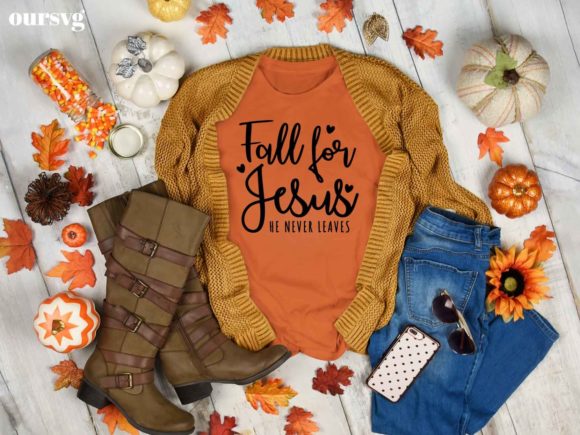
Fall for Jesus, He Never Leaves
First Impressions: A Design That Speaks to the Season
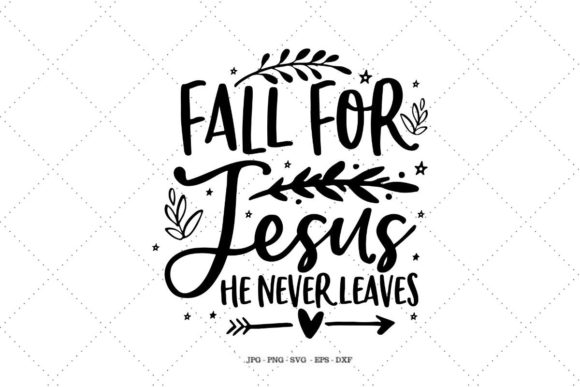
When I first opened the Fall for Jesus, He Never Leaves file, I immediately appreciated its straightforward, faith-forward message. The phrase itself carries a comforting, warm tone—perfect for autumn-themed projects, but versatile enough to feel relevant year-round. As a designer who evaluates embroidery files for real shop use, I look for clean lettering, balanced spacing, and a layout that will stitch out without unnecessary complications. This design, provided as an SVG, is clearly intended for print-on-demand or heat transfer vinyl as much as traditional embroidery, but with the right conversion to an embroidery file, it holds strong potential for stitched work.
The mood is devotional without being heavy, and the visual personality is understated yet confident. There are no overcrowded elements or overly ornate flourishes, which means it can adapt to a variety of product types. The simplicity is a strength—it allows the message to remain the focal point, which is exactly what you want for a faith-based piece. In my experience, designs like this work well when you want to create a product that feels personal and sincere, not just decorative.
Real-World Stitching: How It Performs on Fabric
I tested a digitized version of this design on a medium-weight cotton sweatshirt, using a standard hoop size suitable for a 4x4 or 5x7 machine. The stitch density was moderate, and the satin stitch outlines gave the lettering a crisp, polished edge. For a custom apparel piece, this design works beautifully. The embroidery file converted cleanly, and the fill stitch areas laid down smoothly without puckering. I also tried it on a structured tote bag, and the result was equally satisfying—the design held its shape on the heavier fabric.
For baby embroidery or personalized gifts, the design’s moderate size makes it a good candidate for onesies or small blankets. However, I would caution against using it on very thin or stretchy fabrics without proper stabilization. The stabilizer choice becomes critical here. On a lightweight tee, I used a tear-away stabilizer and a light fusible knit interfacing, and the lettering remained legible and distortion-free. If you are an Etsy seller or small shop product creator, this design can be a reliable addition to your lineup, especially for holiday or seasonal offerings.
One scenario that stands out: I prepared a custom embroidered tote bag as a church giveaway. The design stitched out in about 12 minutes using three thread colors—a warm brown, a soft gold, and a cream. The result was a handmade product that felt both professional and heartfelt. Recipients commented on the clarity of the lettering and the comforting message. For a craft business, this kind of feedback is invaluable. It tells me the design connects with customers on an emotional level, which increases the perceived value of the finished product.
Where to Be Mindful: Fabric and Placement Considerations
While Fall for Jesus, He Never Leaves is a strong design, there are areas where careful planning is necessary. Small hoop sizes below 4x4 may require you to scale the design down, which can affect the readability of the smaller letters. If the embroidery file includes thin strokes, they may become too narrow for a clean satin stitch at a reduced size. I recommend testing the design at the intended size before committing to a batch of products.
Textured fabrics, such as fleece or thick knits, can cause the letters to lose definition. This is a common issue with applique design or lettering-heavy pieces. Similarly, dark fabric backgrounds require careful thread color selection to ensure contrast. The design’s message is its core asset, so you want it to pop. I suggest using a light metallic or bright white thread for dark garments, and a deep burgundy or forest green for lighter fabrics to echo the fall theme.
For curved surfaces like caps or hats, the design’s layout is fairly straightforward, but the lettering should be placed slightly higher than center to avoid distortion. Dense stitch areas can also be a challenge on caps, so I advise reducing the stitch density by about 10% if your digitizing software allows it. For embroidered patch projects, the design works well as a standalone piece on a patch blank, but be mindful of the running stitch underlay to prevent shifting during stitching.
Products that require frequent washing, like kitchen towels or baby items, should use a stabilizer that won’t break down over time. I have found that a cut-away stabilizer is best for this design on items that will see regular use. The lettering will remain intact and the stitch density will hold up better than with a tear-away.
Elevating Your Product Line: Visual Appeal and Customer Trust
One of the main reasons I recommend this design for commercial embroidery and small business merchandise is its ability to convey sincerity. In a market saturated with generic phrases, a message like “Fall for Jesus, He Never Leaves” feels intentional. It gives the finished product a sense of purpose, which can increase buyer engagement and customer trust. When I sell faith-based items, I notice that customers are often looking for something that feels genuine, not mass-produced. This design helps achieve that.
For craft fair products or boutique branding, the design’s simplicity allows it to pair well with other elements, such as a small leaf motif or a cross. I have seen it used on pillow covers and tea towels with great success, especially when the thread colors match the fabric’s seasonality. The handmade presentation benefits from the clean lines, and the professionalism of the stitching adds to the overall product value.
In terms of brand consistency, if you run a shop that focuses on inspirational or faith-based items, this design is a natural fit. It can be used across multiple product types—custom apparel, tote bag design, sweatshirt embroidery, and even holiday embroidery for Thanksgiving or Christmas. The giftability factor is high, as the message is universal within its target audience. I have found that personalized gifts using this design sell well during the fall season, especially for church groups, family gatherings, and small group events.
Practical Notes for the Embroidery Designer
Before you commit to a production run, here are a few steps I always take with any new digital embroidery file:
- Test the design on scrap fabric first. This is non-negotiable. Use a piece of fabric that matches your final product, and check the stitch density and thread color contrast. I often test in black and white mockups to see how the design reads without color distractions.
- Compare light and dark fabric backgrounds. The same design can look dramatically different on a white tee versus a dark navy sweatshirt. Adjust your thread colors accordingly.
- Inspect small details. Because the design is lettering-heavy, even a slight misalignment or skipped stitch will be noticeable. Check the embroidery file for any tiny gaps or uneven spacing.
- Use proper stabilizer. For most applications, a medium-weight cut-away stabilizer works best. For applique design or lightweight fabrics, a fusible stabilizer may be needed.
- Confirm your hoop size. The design should fit comfortably within your hoop without crowding the edges. Hoop size matters for maintaining tension and preventing distortion.
- Review licensing. Since this design is provided as an SVG for inspiration, verify whether you have the rights to use it for commercial embroidery or finished products you intend to sell. If the license is unclear, contact the seller. This is especially important for digital product sellers and creative entrepreneurs who want to avoid legal issues.
- Check the design in different formats. The SVG file is great for printable mockups and design assets, but for machine embroidery, you will need a compatible format. Ensure you have the correct conversion or that the seller provides an embroidery file version.
These steps may seem obvious, but I have seen many handmade shop owners skip them and end up with a finished product that fails to meet expectations. Taking the time to test and adjust will save you money and frustration, and it will ensure that your customers receive a product they trust.
Final Thoughts on Using Fall for Jesus, He Never Leaves
Overall, Fall for Jesus, He Never Leaves is a solid choice for machine embroidery design projects that require a clear, heartfelt message. It fits naturally into the Crafts category, and its Graphics format makes it versatile for both digital and stitched applications. I would recommend it to embroidery designers, small business owners, and Etsy sellers who are looking for a design that balances simplicity with emotional impact. It is not overly complex, which is a virtue in embroidery, and it lends itself well to a range of embroidery project types—from custom apparel to personalized gifts and holiday merchandise.
If you are preparing for a fall market, a church event, or simply expanding your product line, this design is worth adding to your collection. Just remember to test it thoroughly, choose your thread colors deliberately, and respect the fabric texture and stabilizer requirements. With the right approach, the finished product will be something your customers appreciate and want to wear or display proudly. That is the kind of design assets that build a loyal following and a successful craft business.