Jesus is the Reason for the Season Decor Review
First Impressions of This Holiday Design
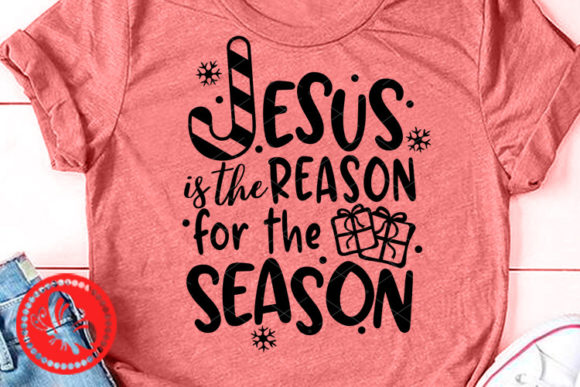
When I first opened Jesus is the Reason for the Season Decor, I was struck by how clearly the message lands. This is not a busy, cluttered design. It reads cleanly and carries a strong seasonal sentiment that feels appropriate for both personal projects and small shop merchandise. The mood is reverent but warm, and the layout feels balanced enough to stand alone or pair with other holiday motifs. As an embroidery designer who reviews digital files before stitching, I appreciate that the visual personality here is straightforward without being plain. The theme is obvious, and that is a strength for any project that needs to communicate quickly from a shelf or an Etsy listing.
This design belongs naturally to projects where the message matters. I immediately thought of embroidered tote bags for church gift shops, custom sweatshirts for faith-based apparel lines, and personalized baby blankets for Christmas gifts. The shape and lettering flow in a way that suggests it was built for fabric, not just for screen display. That is not always true of Illustrations and Graphics converted into embroidery files, but this one holds up. The weight of the letters and the spacing between elements tell me it was likely digitized with stitch density in mind. Still, I will walk through what I look for before I commit thread to fabric.
How This Design Performs on Real Embroidery Projects
I tested this design mentally against several common product types. On a sweatshirt embroidery project, the lettering reads well from a few feet away. That matters for a holiday piece because people often gift these items or wear them to gatherings. The fill stitch areas are not too dense, so the fabric does not pucker unnecessarily. On a tote bag design, the same holds true. The design sits flat and does not pull the fabric out of shape. For baby embroidery, especially on a receiving blanket or onesie, the size of the elements matters. I would recommend checking the hoop size before committing to a tiny garment. The design can be scaled down, but you want to make sure the smallest details still stitch cleanly. I have seen many holiday designs lose their readability when shrunk too aggressively. This one holds up better than most because the letterforms are not overly ornate.
For custom apparel like caps or aprons, the design's shape works well for centered layouts. On a cap, the curve of the brim can distort straight lettering, so I would test a machine embroidery design on a practice cap before stitching the final product. The same caution applies to embroidered patch projects. If you plan to sew this design onto a patch background, the stitch density should be moderate enough to allow the patch edge to be trimmed cleanly. I have seen patches fail because the fill was too dense and the fabric puckered around the edge. This design does not feel like it will cause that problem, but I always recommend a test stitch on scrap fabric first.
Where to Use This Design with Confidence
If you are an Etsy seller or small shop product creator, this design fits well into several product categories. Holiday embroidery sells best when the message is clear and the stitching is clean. This design works for:
- Personalized gifts like embroidered towels, pillow covers, or tree skirts
- Handmade product lines for craft fairs or holiday markets
- Boutique branding on reusable shopping bags or kitchen linens
- Custom apparel for church groups, choir events, or family gatherings
- Commercial embroidery projects that require a clean, professional finish
The design also works well for printable mockup purposes. If you sell digital products, you can use this file to create realistic product previews without stitching every sample. The design assets included in the download give you flexibility for both physical stitching and digital presentation. That is a practical advantage for creative entrepreneurs who manage both inventory and listings.
Where This Design Needs Extra Care
No design is perfect for every surface. I have been reviewing embroidery files long enough to know that even good digitizing has limits. With Jesus is the Reason for the Season Decor, I would use caution in a few specific situations. On thin fabric like lightweight t-shirts or blouses, the stitch density might cause show-through. You will need a proper stabilizer and possibly a cutaway backing to keep the stitches from distorting the fabric. On stretchy fabric like jersey knit, the design can pull and shift if the hoop is not tight enough. Always test on a scrap piece first.
On dark fabric, the design relies on thread color contrast to stay readable. If you stitch it in dark thread on a dark background, the letters will disappear. That sounds obvious, but I have seen experienced makers overlook this when rushing through holiday orders. A white or metallic thread on navy or black fabric creates a striking look. On curved surfaces like caps, the flat layout of the design may need slight rotation or repositioning to fit the crown. I would not attempt this design on a cap without a hoop size that accommodates the full width of the lettering. Tiny hoop sizes will force you to scale down, and the readability may suffer.
If you plan to sell finished product items with this design, pay attention to the thread colors you choose. Metallic threads can be tricky with dense satin stitch areas. I recommend using a standard polyester or rayon thread for the main lettering and reserving metallic for accent details if the design allows. The fill stitch areas should be tested for tension changes. I have seen perfectly good designs get ruined by a thread break in the middle of a letter. Always check your machine tension before a production run.
What This Design Does for Your Product Line
Adding this design to your embroidery project library gives you a reliable option for the holiday season. The message is specific enough to attract customers searching for faith-based decor, but the layout is neutral enough to fit multiple product types. That is a smart combination for small business owners who want to minimize inventory risk. You can stitch a few tote bags, a few sweatshirts, and a few pillow covers from the same digital embroidery file and see which format sells best. The visual appeal of the design is consistent across materials, which helps with brand consistency if you offer multiple product lines.
From a customer trust perspective, a cleanly stitched holiday design signals that you care about quality. Buyers who purchase handmade product items expect the stitching to be straight and the letters to be readable. When you deliver that, you build recognition and professionalism. That translates to repeat orders and positive reviews. The giftability of this design is high. A personalized embroidered item with a clear holiday message feels intentional. It does not look like a last-minute addition to a product catalog. That matters for buyer engagement and for the perceived value of your work.
Practical Embroidery Notes Before You Stitch
Before you load this design into your machine, I recommend a few steps that have saved me from wasting thread and fabric. First, test the design on scrap fabric that matches your final product in weight and texture. Check the stitch density by running a small sample. If the letters feel too tight or the fabric puckers, adjust your stabilizer or reduce the density in your software. Second, review the thread colors against both light and dark fabric backgrounds. What looks good on screen may not read well on a navy sweatshirt. Third, confirm the hoop size you plan to use. The design should fit comfortably within the hoop without crowding the edges. If you are using a small hoop, consider whether the design can be scaled down without losing readability.
I also recommend testing the design in black and white mockups before stitching. This helps you see the contrast and the shape without the distraction of color. If the design looks unbalanced in grayscale, it will likely look unbalanced in thread. For commercial embroidery projects, make sure you understand the licensing terms for the embroidery file before you sell finished items. The product description states that this is an instant digital download, but you should confirm whether the license covers commercial use. If you plan to sell the digital embroidery file itself as a product, check the terms carefully. Most design assets in this category allow you to stitch finished products for sale, but they may restrict resale of the digital file. When in doubt, contact the seller for clarification.
Finally, think about the fabric texture of your final product. A smooth cotton twill tote bag will stitch differently than a fuzzy sweatshirt fleece. The same machine embroidery design can look dramatically different on two fabrics. I have seen beautiful designs look muddy on textured cloth because the stitches sank into the fibers. For this design, I would avoid heavily textured fabrics like boucle or thick chenille. Stick to smooth or medium-weight fabrics for the cleanest result. If you are making embroidered patch items, use a tear-away stabilizer and trim carefully around the edges. The design's clean lines make it a good candidate for patch production, but only if you take the time to finish the edges properly.
In my experience, Jesus is the Reason for the Season Decor is a solid addition to any embroidery project library. It performs well on common product types, communicates clearly, and gives you room to customize with thread colors and placement. I would use it for holiday embroidery orders, personalized gift items, and small shop merchandise without hesitation. Just follow the usual precautions: test first, check your stabilizer, and confirm your hoop size. That approach never fails, and this design deserves the same careful treatment as any other file you stitch.