Jesus Matters – Pray for America: Graphics & Crafts
When I first opened the Jesus Matters – Pray for America graphic design asset, I was immediately struck by its editorial sincerity. As someone who has designed blog layouts, digital guides, and newsletter templates for over a decade, I have learned that the strongest visual assets do not just decorate a page—they establish trust before a single word is read. This set of SVG and PNG cutting print ready files carries a clear, reverent mood that feels both modern and grounded. It does not lean into overly decorative flourishes or trendy clutter. Instead, it evokes a quiet, purposeful tone that suits faith-based content, inspirational publishing, and community-focused websites. The moment I saw it, I knew it would serve a specific niche: content creators who need their visuals to communicate conviction without shouting.
A First Impression Built for Reader Trust
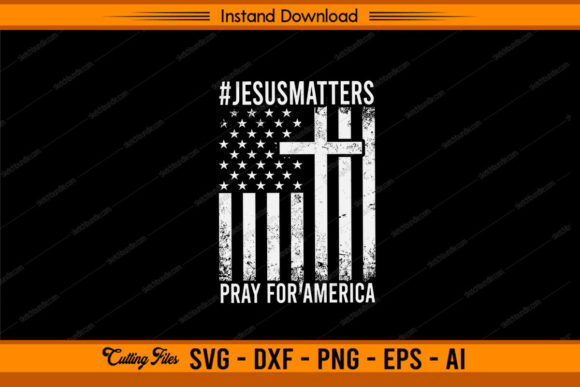
The editorial mood of Jesus Matters – Pray for America is calm, patriotic, and spiritually centered. It does not feel playful or whimsical. It feels like a visual anchor—something you would place at the top of a blog post about national prayer, community resilience, or faith in public life. The design language is clean and bold enough to hold its own as a hero image, yet restrained enough to sit beside long-form text without competing for attention. For a blog designer, this is a valuable balance. Many graphic assets fall into one of two camps: they are either too decorative to function as serious editorial tools, or too plain to generate emotional connection. This asset lands in the sweet spot between them. It feels lifestyle-focused in the best sense—rooted in real values, not in fleeting trends.
Real Publishing Workflows with Jesus Matters – Pray for America
Let me walk you through a typical publishing scenario where this asset shines. Imagine you are a blogger preparing a series of articles on faith and national unity. You need a featured image that immediately signals the topic’s gravity. You also need Pinterest pins that stop the scroll, newsletter headers that reinforce your brand identity, and a downloadable prayer guide that looks professional enough to share. Jesus Matters – Pray for America can serve all of those roles from a single design foundation. Because the files are delivered as SVG and PNG cutting print ready files, you can open them directly in design software like Canva, Adobe Illustrator, or Affinity Designer. You can also use them with cutting machines such as Cricut or Silhouette if you are producing physical printables or merchandise. The instant download means you can move from purchase to production in minutes—a real advantage when you are working on a tight editorial calendar.
Where to Use This Asset in Your Content Ecosystem
Over the years, I have tested hundreds of design assets across real publishing workflows. Here is where Jesus Matters – Pray for America performs best based on my experience:
- Blog featured images – The asset’s bold typography and centered composition make it an excellent hero image for articles about prayer, patriotism, or spiritual reflection.
- Pinterest pins – Vertical layouts using this design can generate strong click-through rates because the message is clear and emotionally resonant at a glance.
- Newsletter banners – Placing it at the top of an email creates immediate visual hierarchy and signals the newsletter’s theme before subscribers start reading.
- Digital guides and lead magnets – A prayer journal, a devotional ebook, or a printable scripture study all benefit from cover art that feels both personal and professional.
- Social media graphics – Instagram posts, Facebook covers, and YouTube thumbnails gain a cohesive brand identity when built around a consistent visual asset like this one.
- Downloadable printables – Because the files are cutting-machine ready, you can also create physical products like wall art, cards, or bulletin inserts.
How It Supports Content Performance
Every content publisher wants visuals that do more than look good—they want visuals that work. Jesus Matters – Pray for America contributes to content performance in several measurable ways:
- Stronger first impression – The design’s clarity and purpose help readers immediately understand the article’s tone and topic.
- Clearer visual hierarchy – The centered composition draws the eye naturally, making it easy to layer headline text or call-to-action overlays.
- Better click-through potential – On Pinterest and social media, a design that communicates a clear message in under two seconds tends to earn more engagement.
- More consistent branding – Using the same asset across blog posts, emails, and social channels reinforces your visual identity and builds reader recognition.
- Improved reader trust – Professional-looking design signals that you care about quality, which increases the likelihood that visitors will stay, read, and subscribe.
Where It Works Best in Editorial Layouts
In my work designing content websites, I have found that Jesus Matters – Pray for America thrives in these specific placements:
- Hero images – Full-width headers above article titles create an immediate emotional anchor.
- Article thumbnails – On category pages or archive views, a consistent thumbnail style helps readers recognize your content in a feed.
- Content upgrades – Offering a downloadable prayer guide with matching cover art increases conversion rates because the visual continuity feels intentional.
- Category visuals – If you run a multi-topic site, using this design for your faith or patriotism category helps readers navigate intuitively.
- Newsletter headers – A branded header that subscribers see week after week builds familiarity and trust.
Where to Use It with Caution
No design asset is universal, and Jesus Matters – Pray for America is no exception. Based on my testing, I recommend caution in these scenarios:
- Small mobile thumbnails – The text and imagery may become difficult to read at very small sizes, so always preview the asset on a phone screen before publishing.
- Text-heavy blog images – If you plan to overlay a long headline or multiple lines of text, the design’s existing composition may feel crowded.
- Low-contrast backgrounds – The asset works best against a clean, light background. Busy or dark backgrounds may reduce its visual impact.
- Serious corporate niches – If your site targets a strictly corporate or non-faith audience, the asset’s spiritual tone may not align with your brand voice.
- Minimal visual systems – Some modern websites rely on ultra-minimal design. This asset has a bold, statement-driven look that may not suit every aesthetic.
Practical Publisher Notes from My Testing
Before you integrate Jesus Matters – Pray for America into your content workflow, here are a few real-world checks I recommend:
- Test it on desktop and mobile screens – Open the design on a 27-inch monitor and then on a smartphone. Make sure the message remains readable and the composition stays balanced.
- Check how it looks as a thumbnail – Reduce the asset to 150 pixels wide and see if the core message is still clear. If not, consider using it only in larger placements.
- Preview it inside a real blog layout – Place the asset beside your body text, sidebar, and navigation. Does it enhance the overall design or create visual friction?
- Test it with headline text – Overlay a sample headline in different fonts: serif, sans serif, script, handwritten, and display. See which combinations feel most natural.
- Check contrast and readability – Convert the asset to grayscale and verify that the tonal values still separate clearly. This is especially important for accessibility.
- Review file size for web performance – Large PNG files can slow down your page load time. Compress images properly while preserving quality.
- Confirm commercial licensing – If you are using the asset on a monetized website, affiliate page, or paid product, verify that your license covers commercial use. This is a step I never skip.
Design Compatibility and Font Pairing Notes
One of the first things I do when evaluating a design asset is test how it interacts with different typefaces. Jesus Matters – Pray for America pairs naturally with clean serif fonts for a traditional, trustworthy feel. It also works well with bold sans serif fonts for a more contemporary editorial look. I found that script and handwritten fonts can add warmth, but they should be used sparingly so they do not compete with the asset’s own typography. Display fonts, especially those with a vintage or patriotic character, can reinforce the theme effectively. The key is to maintain visual hierarchy: let the asset lead, and let your added text support it.
Why This Asset Belongs in Your Creative Toolkit
From a content marketing and affiliate marketing perspective, Jesus Matters – Pray for America offers real value. It is not just a decorative element—it is a communication tool that helps you build brand identity, earn reader trust, and create a cohesive visual system across your entire publishing platform. Whether you are designing a digital guide, a lead magnet, a newsletter banner, or a set of social media graphics, having a consistent visual anchor like this one makes your work look more intentional and more professional. And because the files are cutting-machine ready, you can extend your brand into physical products without needing additional design skills.
Final Thoughts for Content Creators
I have reviewed hundreds of design assets over the years, and I have learned that the best ones are not the flashiest—they are the ones that serve a clear purpose in a real publishing workflow. Jesus Matters – Pray for America does exactly that. It gives you a polished, prayerful, patriotic visual foundation that you can adapt across blog graphics, editorial design, digital products, and printable resources. If you are a blogger, publisher, content creator, small business owner, or creative entrepreneur looking for a design asset that supports both your message and your brand, this one deserves a place in your library. Download it, test it, and see how it transforms your next content project.